
Burning Man’s attendee base is shifting older as fewer people in their 20s join the annual Nevada festival. With ticket prices now reaching up to $3,000 and luxury camps on the rise, the event’s culture is changing
Burning Man’s transformation is now impossible to ignore: the festival that once drew a wave of young seekers to Nevada’s Black Rock Desert is rapidly aging, with attendees in their 40s and 50s now outnumbering those in their 20s. The shift is backed by new attendance data showing a dramatic drop in younger participants and a surge in high-income festivalgoers.
In 2014, nearly one-third of Burners were in their 20s. By 2025, that share had collapsed to just 10 percent, according to figures collected by festival volunteers and online surveys. The largest group remains those in their 30s, but the event’s demographic center has clearly moved up the age ladder. Overall attendance has also slipped from its 2019 peak of about 80,000, reflecting a broader change in who is drawn to the event and what it now represents.
Luxury Camps and Soaring Prices
Burning Man’s evolution from a renegade gathering to a sprawling, high-budget spectacle is most visible in its economics. This year, more than 30 percent of attendees reported annual incomes above $150,000, with 11 percent earning at least $300,000. A decade ago, only 11 percent of Burners reported incomes above $150,000. Individual ticket prices for 2025 ranged from $550 to $3,000, with additional costs for transportation, accommodations, and amenities pushing the total price tag into the thousands for many participants.
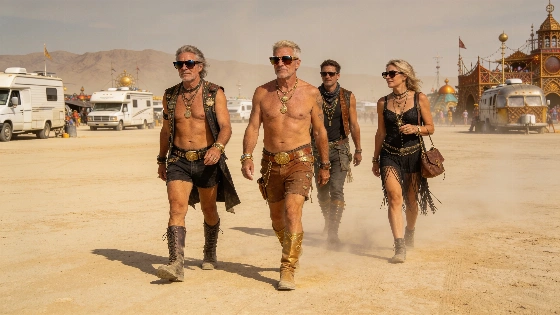
The rise of luxury camps—complete with private chefs, curated wardrobes, and chartered flights—has further distanced the event from its anarchic, DIY roots. Reality TV personalities and tech billionaires now document their journeys to the playa aboard private jets and in high-end RVs, a far cry from the festival’s early days on a San Francisco beach in 1986.
Founders and Longtime Burners Voice Concerns
Some of Burning Man’s original architects are openly critical of the festival’s new direction. John Law, one of the event’s founders, recently described the modern incarnation as “unrecognizable” and accused it of losing its “anarchist soul.” In his words, Burning Man has become “a commercialized escape hatch—a week when anyone with enough money can leave their real life behind entirely.”
Organizers, who continue to frame Burning Man as a movement rather than a festival, have not responded to questions about the demographic and cultural changes. The event still bills itself as a celebration of art, music, and radical self-expression, but the reality on the ground increasingly resembles a high-end, immersive spectacle for the affluent.
Impact on Nevada and the Festival’s Future
Burning Man’s changing profile has implications for Nevada’s event calendar and the broader visitor economy. The festival, which runs through Labor Day weekend in Black Rock City, remains a major draw for out-of-state visitors and generates significant spending in the region. However, the declining share of younger attendees and the rise in costs may limit its future growth and cultural relevance, especially as new generations seek different experiences or are priced out entirely.
Burning Man’s journey from countercultural experiment to luxury-laden desert event is a case study in how even the most unconventional gatherings can be reshaped by money and status. As the festival’s core audience ages and its prices climb, the question is no longer whether Burning Man can hold onto its original spirit—it’s whether it even wants to.