
A new federal plan to reduce Colorado River water use could impact Las Vegas, with potential cuts to municipal supplies and higher costs for residents and businesses as drought conditions persist across the Southwest.
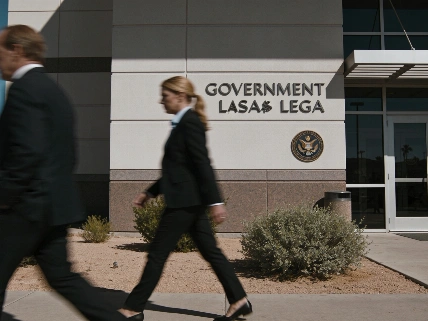
Las Vegas and Southern Nevada face renewed uncertainty over future water supplies as a new federal plan aims to reduce Colorado River usage across the Southwest. The plan, announced amid ongoing drought, could force cities and farmers in Nevada, Arizona, and California to make significant cuts, raising questions about long-term water security for the region’s residents, resorts, and visitor economy.
The Colorado River is the primary water source for Southern Nevada, including the Las Vegas Strip, Downtown, and surrounding communities. With the river serving 40 million people across seven states and Mexico, any reduction in allocation has direct consequences for local growth, business operations, and daily life.
Federal Plan Targets Water Use Reductions
The U.S. Bureau of Reclamation’s new plan requires California, Nevada, and Arizona to collectively reduce water use by 1.25 million acre-feet annually over the next two years. For Nevada, this could mean absorbing reductions of up to 70% of its Colorado River allocation within the next decade, according to state officials. The Las Vegas Valley Water District and Southern Nevada Water Authority are closely monitoring the situation, as the region already relies on aggressive conservation and recycling measures to stretch limited supplies.
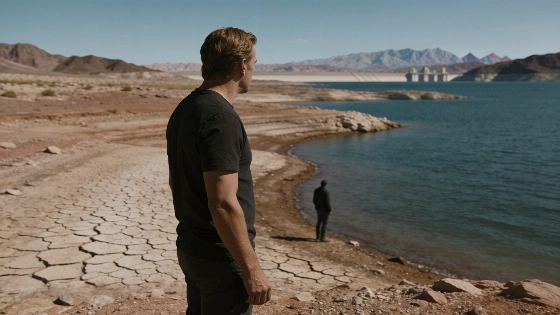
While the plan does not immediately require cuts from Colorado, Utah, Wyoming, or New Mexico, those states may voluntarily reduce usage. The federal government’s action follows record-low levels at Lake Mead and Lake Powell, the two largest reservoirs in the U.S., which serve as critical storage for the Colorado River system. Elephant Butte Lake in New Mexico and other key reservoirs have also reached their lowest points in decades, underscoring the severity of the drought.
Las Vegas Faces Potential Supply and Cost Impacts
For Las Vegas, the prospect of further water cuts could affect both residents and the hospitality sector. The city has already implemented strict water conservation policies, including turf removal programs and limits on outdoor watering. However, additional reductions may require tapping backup supplies or investing in new infrastructure, potentially increasing costs for households, resorts, and businesses.
Local officials warn that uncertainty over future allocations complicates planning for growth and development. The City of Henderson, North Las Vegas, and unincorporated Clark County all depend on Colorado River water, making regional coordination essential. Nevada has filed suit against the U.S. Department of the Interior and the Bureau of Reclamation, arguing that the proposed reductions could leave basic needs unmet in the Las Vegas area if implemented as planned.
Farmers and Tribal Communities Adjust to Drought
While Southern Nevada is primarily urban, agricultural users in Arizona and tribal communities along the river are also feeling the effects. Farmers in Yuma, Arizona, who supply much of North America’s winter produce, are hesitant to plant new crops due to water uncertainty. In Nevada, the Colorado River Indian Tribes hold some of the oldest water rights, but aging infrastructure limits their ability to access full allocations, impacting local agriculture and economic stability.
Experts note that even with the possibility of wetter conditions from El Niño, decades of drought have left the region’s water system vulnerable. Recovery will require sustained conservation, investment, and cooperation among states, cities, and water users throughout the Colorado River basin.
What’s Next for Southern Nevada
As federal and state agencies negotiate the details of the new plan, Las Vegas residents and businesses should prepare for possible changes in water availability and pricing. The Southern Nevada Water Authority continues to promote conservation and is exploring additional measures to secure long-term supplies. Visitors to Las Vegas are unlikely to notice immediate changes, but the city’s ability to support future growth and major events will depend on how the region adapts to ongoing water challenges.