
A construction accident in New Jersey sliced through a key FAA cable, causing delays for flights between Las Vegas and the Northeast. Harry Reid International kept running, but travelers faced missed connections and late arrivals.
Travelers at Harry Reid International Airport ran into delays this week. The problem didn’t start in Las Vegas. It began hundreds of miles away on the East Coast. Officials said a construction crew in New Jersey cut a major FAA communications cable. That forced the Federal Aviation Administration to slow air traffic in the Northeast. The ripple effect quickly reached Las Vegas.
Flights to and from Philadelphia, Newark, New York JFK, and LaGuardia were hit with rolling delays and last-minute schedule changes. Some passengers missed connections. The airport in Las Vegas stayed open and fully operational. But the national air traffic network is tightly connected. One cable cut far from Nevada was enough to throw off travel plans in the desert. More than 1,000 flights on the East Coast were affected. Major airports like Newark, Philadelphia, JFK, LaGuardia, and Teterboro all reported problems, according to a Reuters incident summary.
How a cable cut in New Jersey delayed Las Vegas flights
The trouble started around 9:45 a.m. Eastern Time on September 21, 2026. A main communications circuit for an FAA air traffic facility in the Northeast went down. The backup fiber-optic line was also cut during construction on a New Jersey rail corridor. U.S. Transportation Secretary Sean Duffy said an Amtrak crew accidentally severed the fiber line. That outage forced the FAA to halt or slow flights in the region. Flight safety was never at risk—radar and onboard systems kept working. But the FAA had to put traffic management programs in place, which slowed departures and arrivals at big East Coast airports.
Ground stops and departure metering started in Philadelphia, Newark, JFK, and LaGuardia. The impact spread across the country. Planes and crews for later flights were delayed or out of place. Las Vegas, with its many nonstop routes to the Northeast, felt the hit. Real-time flight data and the Las Vegas Review-Journal confirmed that Harry Reid International did not have a local ground stop. Still, delays and cancellations piled up on flights tied to the affected cities.
Las Vegas airport operations and the traveler experience
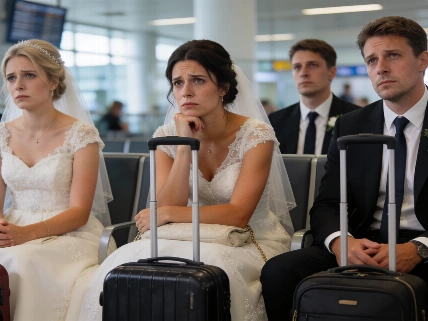
Harry Reid International runs a busy schedule of nonstop flights to and from the Northeast. When those airports slow down, planes can leave Las Vegas but may be held in the air or rerouted. This stretches out schedules and crew duty times. On the day of the outage, several flights between Las Vegas and East Coast cities were delayed anywhere from 30 minutes to over two hours. Some travelers missed their next flights. That meant overnight stays or big rebooking headaches, especially for those heading to smaller regional airports.
Despite the mess, Las Vegas airport operations kept moving. Local construction in connector tunnels and parking garages had nothing to do with the East Coast cable cut. It did not add to the strain. Airlines adjusted departure times and swapped planes when they could to keep the rest of the Las Vegas schedule on track.
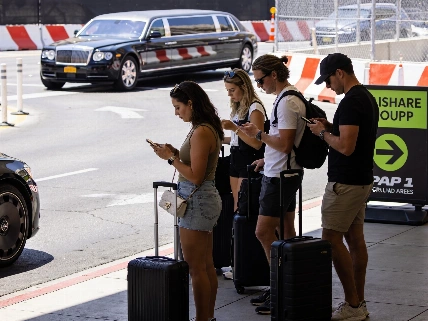
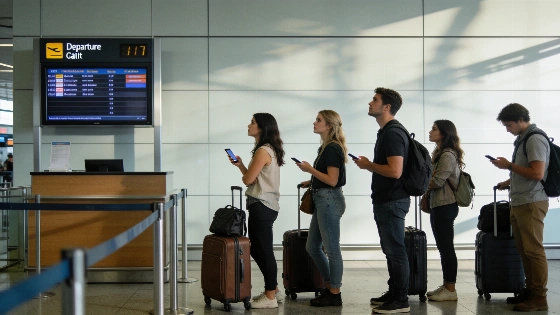
For passengers, it was a familiar scene: long waits at gates, extra time on the tarmac, and not knowing if connecting flights would still be there. Many only learned about schedule changes after reaching the terminal. Rolling updates kept travelers glued to their phones. Late arrivals from the Northeast squeezed time for hotel check-ins, show reservations, and rides on the Strip. Hotel concierges and resort transportation desks scrambled as groups missed shuttles or event buses.
Why a cable cut in New Jersey matters for Las Vegas
This incident showed how fragile the national air traffic system can be. Communications circuits and radar feeds are all part of a bigger network. Damage in one work zone can cause problems far away. Reuters reported that the FAA’s safety-first approach meant slowing flights until backup systems were working again. Las Vegas got caught up in these nationwide measures because of its strong links to both coasts.
FAA records show that local runway or taxiway work can slow things down at Harry Reid International. But most delays come from congestion elsewhere—especially in the Northeast. In this case, the cut cable limited the East Coast facility’s capacity. That led to ground delay programs and reroutes, which disrupted daily aircraft rotations, including Las Vegas flights. The situation echoed concerns raised in recent coverage of Las Vegas airport priorities.
What travelers can do next
By the evening of September 21, the affected East Coast circuits were rerouted or fixed. Traffic restrictions eased, and Harry Reid International returned to normal. Still, airlines say passengers with connections through busy hubs should allow extra time. Las Vegas flights often get caught in the ripple effect when national disruptions hit, because the city is so closely tied to both coasts.
Travelers can cut down on headaches by checking flight status before leaving home, turning on airline app notifications, and looking at same-day change options if a connecting hub is delayed. Anyone with fixed plans in Las Vegas—like shows or meetings—should try to arrive earlier in the day to allow for surprises. The usual advice still matters: get to the airport early during busy times, allow extra time for roadwork, and check gate assignments on official displays once inside.
Las Vegas is a major national destination. It is not immune to infrastructure failures far from Nevada. The city’s visitor economy depends on strong schedules and reliable communications. When a construction crew in New Jersey can disrupt travel for guests at Harry Reid International, it shows that even the best-run airports depend on national systems. For Las Vegas, the lesson is simple: redundancy and quick response are must-haves to keep the city’s nonstop flow of visitors moving.