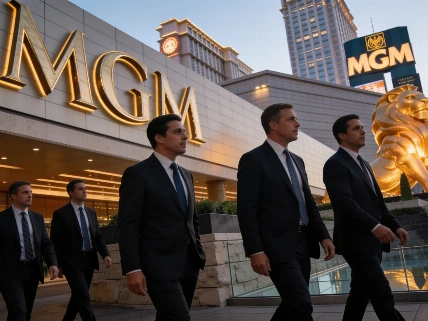


MGM Grand Adventures closed by 2000, but family visits to Las Vegas kept rising. Kid-friendly attractions on the Strip survived and even grew, defying the myth of a failed family push.
Las Vegas has a reputation for missing the mark with families in the 1990s. The numbers say otherwise. MGM Grand Adventures theme park shut its gates by 2000. But family attractions on the Strip didn’t disappear. They multiplied. More families visit Las Vegas now than ever before.
In 1993, Las Vegas drew 23.5 million visitors. By 1994, that number jumped to 27.2 million. It was the biggest single-year percentage leap on record. The Las Vegas Convention and Visitors Authority tracked the shift. Families made up 7 percent of visitors in 1992. By 1996, that share hit 12 percent. Today, it’s 21 percent. The family segment has grown, not shrunk, since the 1990s.
In 2025, Las Vegas saw a 7.5% drop in total visitors compared to 2024, the largest decline since records began in 1970 outside of the pandemic years.
Theme park closure didn’t end family fun
People often point to the MGM Grand Adventures closure as proof the family strategy failed. The park opened in 1993 with a $100 million price tag. It had a roller coaster, log flume, rapids raft, and a boat ride. Attendance lagged. The main problem? No climate control. Las Vegas summers hit 115 degrees. Families couldn’t stand the outdoor lines. Just months earlier, Circus Circus opened Adventuredome. It was indoors and air-conditioned. Adventuredome is still going strong.
Other family attractions from that era stuck around or changed with the times. New York-New York’s roller coaster still runs. The Big Shot ride at The STRAT, Mandalay Bay’s beach and wave pool, and M&M’s World are all open. Caesars Magical Empire, a high-tech, multi-room show for ages 12 and up, ran from 1996 to 2002. It closed after mixed reviews and high ticket prices. The STRAT later added X-Scream, Insanity, and SkyJump. Magic shows by Mac King, Nathan Burton, and Popovich still draw families. Horseshoe Las Vegas opened a 7,000-square-foot video arcade. Area 15, a 200,000-square-foot immersive complex, launched in 2020. The list keeps growing.
According to LVCVA data cited by News 3 Las Vegas, in 2025, 75% of Las Vegas visitors had incomes over $100,000 and 44% earned more than $150,000, which helps explain why the decline in visitation that year primarily affected more price-sensitive tourists.
The Strip’s family side keeps growing
MGM Grand Adventures is gone. But the Strip’s family-friendly options have only expanded. The LVCVA now tells adults to leave kids at home. That’s a new message. It may mean the family market is so strong that operators want to protect space for adults. The numbers show Las Vegas widened its appeal. It didn’t lose its adult edge.
Design mistakes—not lack of demand—killed some attractions. Adventuredome’s climate-controlled success and the steady rise of family entertainment prove the point. The Strip’s family push wasn’t a blunder. It was a lesson in how to adapt. Las Vegas has a long record of changing its entertainment mix to fit what visitors want.
The numbers don’t lie
Family visits to Las Vegas have climbed since the 1990s. The idea of a failed experiment doesn’t hold up. Attractions that worked with the desert climate and visitor habits have lasted. Others faded because of poor planning. The Strip found ways to bring in more families without losing its adult focus. That’s real resilience. The “failed family push” is mostly myth. Las Vegas keeps reinventing itself. The core appeal stays the same.