

Rising conflict in the Middle East, including renewed violence in Yemen and oil spills near Iran and Oman, could impact global travel and energy markets, with potential effects on Las Vegas visitor volume and hospitality costs.
Escalating violence in the Middle East is drawing attention from Las Vegas tourism and hospitality leaders, as renewed clashes in Yemen and environmental incidents near Iran and Oman raise questions about potential impacts on global travel and energy prices. While the conflict remains thousands of miles from Southern Nevada, its ripple effects could influence visitor demand, airline operations, and resort costs in the months ahead.
Recent fighting between Iran-backed Houthi rebels and Yemeni government forces has intensified, with reports of casualties and attacks on government-held areas. The Houthis have also targeted oil facilities and shipping in the Red Sea, a key route for global energy supplies. These developments come as the United Nations warns that Yemen is at its highest risk of returning to large-scale conflict since a 2022 truce.
Oil Spills Threaten Shipping Routes
In addition to the violence, oil spills off the coasts of Iran and Oman are raising environmental and economic concerns. Iranian authorities are working to clean up a spill near Qeshm Island in the Strait of Hormuz, while Oman is responding to a separate spill from a grounded tanker in the Arabian Sea. Both incidents have the potential to disrupt shipping lanes that are critical for international trade and energy transport.
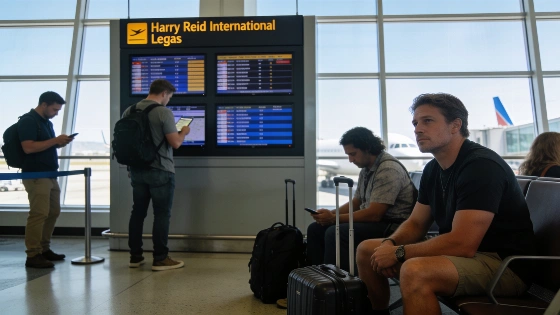
For Las Vegas, which relies heavily on air travel and benefits from stable global energy markets, any sustained disruption in oil supply or shipping could lead to higher fuel costs and airfare. This, in turn, may affect visitor numbers, convention attendance, and overall hospitality spending in the region.
Regional Instability and Visitor Confidence
Ongoing instability in the Middle East, including Israeli military actions in Gaza and tensions in the West Bank, adds further uncertainty to the global travel environment. While Las Vegas remains a domestic destination for most visitors, international travel patterns and economic conditions can influence demand, especially during major events and convention periods.
Hospitality operators and tourism officials in Southern Nevada are monitoring the situation closely, aware that shifts in global energy prices or travel confidence can have downstream effects on the local economy. As the situation develops, Las Vegas resorts and airlines may adjust pricing, schedules, or marketing strategies to respond to changing conditions.