
A new open-pit gold and silver mine in Elko County has received federal approval, with construction expected to create hundreds of jobs but raising concerns among conservation groups about water, wildlife, and public review.
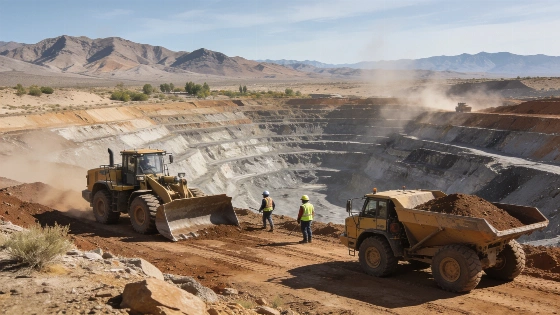
The Bureau of Land Management has given the green light to the South Railroad Mine Project in Elko County, allowing Gold Standard Ventures Inc. to move forward with a new open-pit gold and silver mining operation southwest of Elko. The project, which will span approximately 16 years, is expected to bring significant employment to the region, with up to 600 construction jobs and around 300 full-time operational positions, according to federal officials.
The approval comes as part of a broader federal push to accelerate domestic mineral extraction, aiming to reduce U.S. reliance on foreign supply chains. The South Railroad Mine was designated a covered FAST-41 project by the Federal Permitting Improvement Steering Council, a move initiated under the Trump administration to streamline permitting for critical mineral resources. The Bureau of Land Management stated that the decision aligns with executive orders focused on expediting federal permitting for valuable domestic minerals.
Environmental Concerns and Public Review
Despite the anticipated economic benefits, the project has drawn criticism from conservation organizations and legal experts. Groups such as Great Basin Resource Watch and the Center for Biological Diversity have raised concerns about the environmental review process, arguing that recent changes to the National Environmental Policy Act (NEPA) have limited opportunities for public input and scrutiny. Critics warn that fast-tracking the permitting process could increase risks to local water basins, threaten the greater sage-grouse, and impact Indigenous cultural resources.
Legal advocates point to the complexity of the operation, which will include four open pits, cyanide heap-leaching, and large waste rock dumps. They argue that reducing public review stages removes important opportunities to minimize environmental harm and ensure greater protections for the surrounding ecosystem.
Mining Law and Ongoing Debate
The South Railroad Mine approval has also reignited debate over the General Mining Law of 1872, the federal statute that still governs hardrock mining on public lands. The law, which covers roughly 350 million acres nationwide, allows companies to extract minerals from public lands without paying royalties. Conservation groups argue that the law is outdated and has contributed to pollution in many Western watersheds, including those in Nevada.
Efforts to reform the mining law, such as proposals to introduce an 8% royalty on hardrock extraction, have repeatedly stalled in Congress. As a result, projects like South Railroad continue to move forward under the existing regulatory framework, even as environmental advocates call for stronger oversight and updated policies.
What Comes Next for Nevada
With federal approval secured, Gold Standard Ventures Inc. is expected to begin construction in the coming months. The project will be closely watched by both industry supporters and environmental groups, as it could set precedents for future mining operations in Nevada and across the West. For Las Vegas and the broader Nevada economy, the development highlights the ongoing tension between economic growth, resource extraction, and environmental stewardship in the state’s rural regions.