
Starter home prices in the Las Vegas Valley have surged to $312,141 as of July 2026, more than doubling since 2016, though a recent 3% dip offers some hope for first-time buyers navigating high mortgage rates
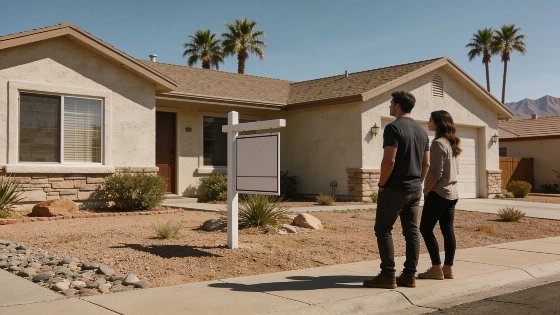
Starter home prices across the Las Vegas Valley have more than doubled in the past decade, reaching a median of $312,141 in July 2026, according to new data from Zillow. While this marks a significant increase from the $140,630 median in July 2016, the market has seen a modest 3.2% decline from last year’s $322,577, offering a small measure of relief for first-time buyers.
Starter homes are typically defined as properties in the lowest third of the local market, often featuring one or two bedrooms and increasingly taking the form of condos or townhomes. The sharp rise in prices has made it more challenging for new buyers to enter the market, a trend that reflects broader affordability pressures across Southern Nevada.
Affordability Squeeze Hits First-Time Buyers
According to Zillow Senior Economist Kara Ng, Las Vegas has historically been one of the most accessible housing markets in the West. However, the rapid price growth over the past decade has changed that dynamic. Ng notes that the recent year-over-year price drop, though modest, could signal the beginning of improved conditions for buyers who have been waiting for a break in the market.
Residential real estate sales in the valley have slowed considerably since peaking in 2022, a period marked by pandemic-driven demand and lower mortgage rates. As rates climbed alongside inflation, many potential sellers have been reluctant to lower prices, while buyers have become more selective in a less certain economic climate.
High Mortgage Rates Reduce Buying Power
Matt Hennessy, a local mortgage advisor, points out that higher mortgage rates have reduced buyers’ purchasing power by about 30% compared to the pre-pandemic era. The average long-term fixed-rate mortgage in the U.S. now stands at 6.65%, according to Freddie Mac. This shift has contributed to a slowdown in starter home sales, not due to lack of demand, but because of affordability constraints.
Despite these challenges, Hennessy notes that inventory levels have moved toward a more balanced three to four months’ supply. This gives qualified buyers more negotiating leverage than during the peak of the recent housing frenzy. He advises first-time buyers to consider negotiating seller concessions, which can be used to offset closing costs or buy down interest rates, potentially lowering monthly payments.
Las Vegas Market in National Context
The Las Vegas housing market’s trajectory mirrors trends seen in other major U.S. cities, where affordability has become a central concern for both residents and newcomers. The valley’s rapid price appreciation has outpaced wage growth, making it harder for many to purchase their first home. However, the recent dip in starter home prices may indicate a shift toward a more balanced market.
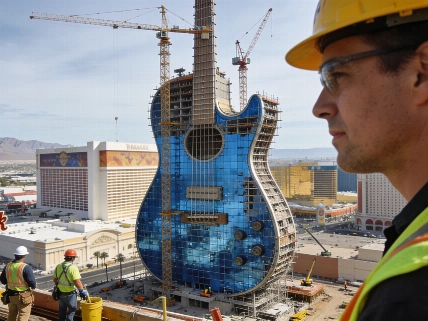
While the housing market remains tight, the current environment offers some negotiating power for buyers who are able to qualify. For those tracking broader development trends in the region, the real estate market’s evolution is as closely watched as major construction projects, such as the ongoing investment in new sports venues, including the $600 million already spent on the Las Vegas ballpark, as reported in recent coverage of stadium construction progress.
What Buyers Should Know Now
For first-time buyers in Las Vegas, the current market presents both challenges and opportunities. While prices remain high compared to a decade ago, the recent decline and increased inventory may provide a window for those ready to purchase. Experts recommend working with experienced advisors to navigate negotiations and explore options for reducing monthly costs through seller concessions or interest rate buydowns.