
Recent cyberattacks on U.S. municipal water systems have raised concerns about the security and reliability of water infrastructure in Las Vegas and Southern Nevada, prompting local officials and businesses to reassess risks and future planning
Recent cyberattacks targeting municipal water systems across the United States have put a spotlight on the vulnerability of critical infrastructure, including water supplies that serve Las Vegas and the broader Southern Nevada region. While the immediate concern has been the potential for hackers to disrupt drinking water, the incidents have underscored a deeper issue: water is a foundational resource for the region’s economy, hospitality sector, and daily life.
In Las Vegas, where the hospitality and entertainment industries depend on reliable water access for resorts, restaurants, and attractions, any threat to water infrastructure carries significant consequences. The city’s rapid growth, ongoing drought conditions, and increasing demand from both residents and visitors have already placed pressure on local water supplies. Now, cybersecurity risks add another layer of complexity to managing this essential resource.
Water’s Role in the Las Vegas Economy
Water is central to nearly every aspect of Las Vegas life, from resort pools and golf courses to the kitchens of world-renowned restaurants. The region’s tourism-driven economy relies on a steady and secure water supply to support millions of annual visitors, as well as the operations of major resorts and entertainment venues along the Strip and in Downtown Las Vegas.
Beyond hospitality, water is also critical for local agriculture, manufacturing, and the growing technology sector. Data centers supporting cloud computing and artificial intelligence—both expanding in Southern Nevada—require substantial water for cooling. As competition for water intensifies, questions about allocation, efficiency, and long-term sustainability are becoming more urgent for local policymakers and business leaders.
Infrastructure, Innovation, and Policy Response
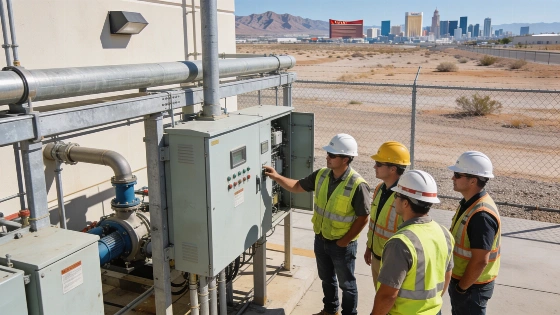
Las Vegas and Clark County have invested in water conservation, recycling, and advanced monitoring systems to stretch limited supplies. However, the recent cyber incidents have prompted renewed attention to the security of water infrastructure. Local utilities are reviewing cybersecurity protocols and collaborating with federal agencies to strengthen defenses against potential attacks.
At the same time, innovation in desalination, groundwater recharge, and water recycling is being explored to diversify sources and improve resilience. The federal government’s involvement in Colorado River management, which affects Southern Nevada’s primary water supply, has led to new requirements for reduced usage and more aggressive conservation measures.
What’s Next for Las Vegas Water Security
As Las Vegas continues to grow, the intersection of water scarcity, infrastructure age, and cyber threats will remain a central concern for the region’s future. Local officials, resort operators, and investors are increasingly factoring water risk into development decisions, real estate values, and long-term planning.
For residents and visitors alike, the recent cyberattacks serve as a reminder that water—often taken for granted—is a strategic asset that underpins the city’s economy and quality of life. Ongoing investment in both physical and digital infrastructure will be essential to ensure Las Vegas remains resilient in the face of evolving threats and changing environmental conditions.