
The Nevada Gaming Control Board is pursuing $120,000 per day in fines against Kalshi, alleging the company failed to block access to certain event contracts in Nevada by the August 12 deadline, despite a court order and geofencing measures.
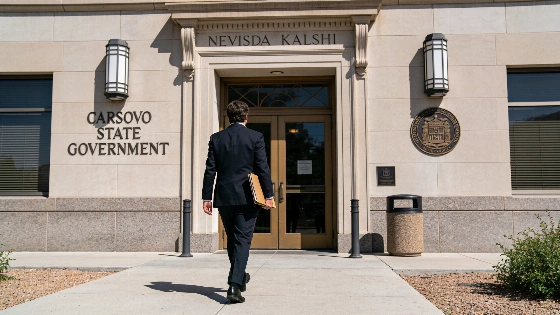
The Nevada Gaming Control Board is seeking to impose $120,000 in daily fines on prediction market operator Kalshi, alleging the company did not comply with a court order to halt the offering of sports, election, and entertainment event contracts to Nevada residents by the August 12 deadline. The board's request was filed late Friday in Carson City, following an investigation in which state gaming agents reported successfully purchasing prohibited event contracts while physically located in Nevada.
Kalshi had previously agreed in July to implement a geofencing solution using GeoComply, a Nevada-licensed technology provider, to prevent access to its platform from within the state. According to court documents, Kalshi stated that the investigators were able to place trades only by using an outdated version of its app that was not subject to the new geofencing restrictions.
Dispute Over Compliance Efforts
Attorneys for Kalshi argued in a letter to the board that state investigators misrepresented their residence and, in at least one case, actively circumvented the platform's restrictions to complete trades. Kalshi's General Counsel, Rick Heaslip, maintained that the company fulfilled the state's requirements, hired a state-approved vendor, and kept regulators informed throughout the process. Heaslip accused regulators of attempting to manufacture a violation by using deceptive tactics and said the company addressed the issue within hours of being notified.
A Kalshi spokesperson described the board's motion as "ridiculous" and said the company intends to contest the fines, emphasizing that Kalshi used a state-approved geofencing provider and responded promptly to concerns raised by regulators.
Broader Impact on Nevada Prediction Markets
The dispute comes as Kalshi, the state, and two other prediction market companies await a decision from the 9th U.S. Circuit Court of Appeals. The forthcoming ruling could determine whether these companies will be allowed to continue offering event contracts in Nevada, a state where gaming regulation is closely tied to the broader hospitality and entertainment economy.
The outcome of this case could have implications for how prediction markets operate in Nevada and potentially affect the types of event-based contracts available to residents and visitors. For now, the legal battle underscores the state's strict approach to gaming regulation and the challenges faced by new market entrants seeking to comply with evolving rules.