
As Clark County and local leaders consider rent stabilization policies, housing experts warn that such measures could slow new development and worsen the affordable rental shortage in Las Vegas and across Nevada
With housing affordability remaining a top issue for Las Vegas and Southern Nevada, local officials are weighing new policies to address rising rents. Among the proposals under discussion is the introduction of “rent stabilization,” a term some leaders are using in place of “rent control.” While the language may be changing, housing analysts and business leaders argue that the practical effects could be the same—and potentially damaging for the region’s already strained rental market.
Las Vegas, like much of Nevada, faces one of the nation’s most severe shortages of affordable rental homes. As the population grows and demand for housing increases, policymakers are under pressure to find solutions that protect tenants without discouraging investment in new construction.
How Rent Stabilization Could Affect Development
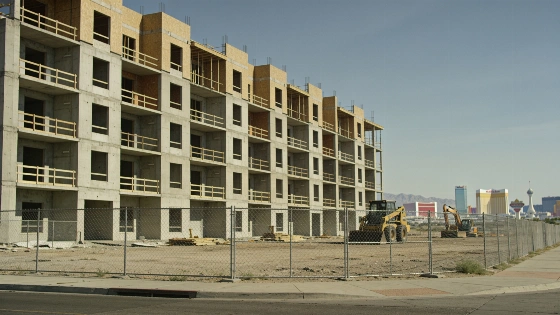
According to housing experts, both rent stabilization and rent control rely on government-imposed price caps that limit how much landlords can increase rents each year. While intended to protect tenants from sudden spikes, these policies can have unintended consequences. When property earnings are capped, developers and investors may redirect their capital to markets with fewer restrictions, slowing the pace of new construction in areas like Las Vegas that urgently need more housing inventory.
Recent data from other states highlight these risks. In Montgomery County, Maryland, after rent stabilization was enacted in July 2023, multifamily building permits dropped by 97% within a year, according to state permitting data analyzed by housing analyst Jay Parsons. Developers and lenders cited the new price caps as a primary reason for pulling back on projects. Similar trends have been observed in cities like San Francisco, where a Stanford University study found that rent control reduced the rental housing supply by 15% and increased citywide rents by over 5%.
Potential Impact on Las Vegas Renters and Neighborhoods
For Las Vegas, the stakes are high. If rent stabilization policies discourage new development, the shortage of affordable rentals could worsen, making it even harder for residents to find housing. Property owners may also become more selective among applicants, which can disproportionately affect lower-income and minority renters. In some cases, targeted rent limits for seniors have led landlords to avoid renting to older tenants, further narrowing housing options for vulnerable groups.
Another concern is property maintenance. When landlords face revenue limits but still must cover rising costs for taxes, insurance, and repairs, they may defer maintenance, leading to deteriorating buildings and potential public health issues. This pattern has been documented in cities with strict rent regulations, including New York and parts of California.
Alternative Solutions and the Path Forward
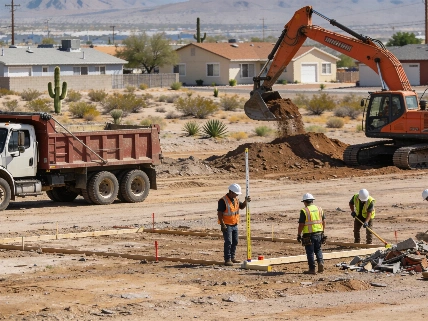
State and local leaders, including Gov. Joe Lombardo, have called for solutions that focus on increasing housing supply rather than imposing price controls. One major challenge is that the federal government controls about 85% of Nevada’s land, limiting the space available for new development. Efforts to unlock federal land around the Las Vegas Valley, streamline permitting, and reduce bureaucratic barriers are seen as key steps to expanding the housing inventory and naturally moderating prices.
Recent market data suggest that as more inventory comes online, housing prices in Las Vegas are beginning to stabilize. Supporters of a supply-focused approach argue that encouraging new construction and making more land available will do more to address affordability than rebranding rent control as “rent stabilization.” As the debate continues, the outcome will have lasting implications for residents, developers, and the future of Las Vegas neighborhoods.