
A new $8.4 million fire training center is under construction at 633 North Mojave Road in east Las Vegas, with phase one targeting a July 2027 completion and expanded emergency response training for local firefighters
Las Vegas is investing $8.4 million in a new fire training facility on North Mojave Road, a move that signals the city’s intent to overhaul how local firefighters prepare for real emergencies. The project broke ground this week, setting in motion a multi-year build that will directly impact public safety and emergency response capabilities across the valley.
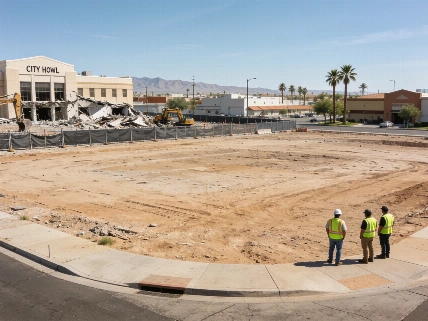
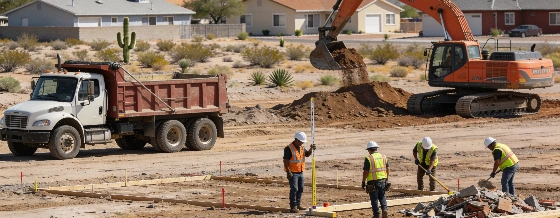
Unlike previous upgrades that focused on minor renovations, this facility is being constructed from the ground up, funded entirely through the city’s capital improvement budget. The first phase, already underway, will see the site prepared, utilities upgraded, and foundational training structures installed. City officials have set July 14, 2027, as the target for phase one completion, marking a clear timeline for when the first wave of new training can begin.
What the Facility Will Offer
Once operational, the center will feature specialized buildings designed to simulate a range of real-world emergencies. Firefighters will be able to practice responding to fires in environments that mirror single-family homes, strip malls, and commercial buildings—scenarios that reflect the actual risks faced in Las Vegas neighborhoods. The second phase of construction will focus on these advanced simulation spaces, giving crews hands-on experience with the types of incidents that most often challenge local resources.
For residents and visitors, the practical effect is straightforward: better-trained firefighters mean faster, more effective responses when emergencies strike. The city’s investment is intended to close the gap between textbook training and the unpredictable realities of Las Vegas’s urban landscape.
Timeline and Funding Details
The project’s $8.4 million budget comes from the city’s capital improvement funds, not from new taxes or special assessments. According to city planners, the phased approach allows for continuous progress without disrupting existing emergency services. The first phase will focus on site preparation and basic infrastructure, while the second phase—scheduled after 2027—will deliver the specialized training buildings that set this facility apart from older models.
Las Vegas has seen a series of infrastructure investments in recent years, from transportation upgrades to new public safety initiatives. As reported earlier, even routine changes like gas price spikes can have ripple effects on city operations and emergency planning. The fire training facility is part of a broader strategy to keep pace with the demands of a growing city and a dynamic visitor economy.
Why This Matters for Las Vegas
With the city’s population and visitor numbers both on the rise, the need for modern emergency response infrastructure has become more urgent. The new training center is designed to address gaps in current firefighter preparation, especially as Las Vegas continues to add new residential, commercial, and entertainment developments. The location in east Las Vegas also brings advanced resources closer to neighborhoods that have historically seen slower response times.
While the facility won’t open its doors until at least mid-2027, the commitment of capital and a clear construction timeline set this project apart from past proposals that never moved beyond the planning stage. The city’s decision to fund the project directly, rather than waiting for state or federal support, reflects a pragmatic approach to public safety—one that prioritizes local needs over bureaucratic delays. For Las Vegas, this is a rare example of a major civic investment that is both targeted and overdue, and it will be up to city leaders to ensure the facility delivers on its promise of better-trained, faster-responding firefighters for the entire community.