Pritzker Prize-winning architect Francis Kéré will design the $200 million Las Vegas Museum of Art, set to open in Symphony Park in 2029. His approach draws on desert traditions and community needs.
Francis Kéré, the first African-born winner of the Pritzker Prize, is bringing his focus on sustainability and community to downtown Las Vegas. Known for his work on the Gando Primary School in Burkina Faso, Kéré has been chosen to design the $200 million Las Vegas Museum of Art. The project aims to offer something new for both residents and visitors.
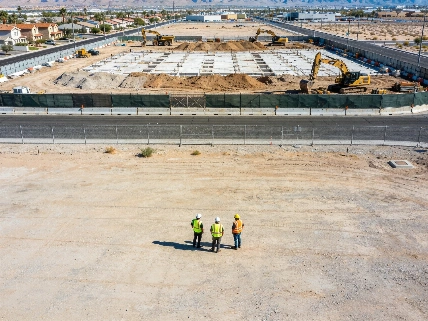
Planned for Symphony Park and scheduled to open in 2029, the 60,000-square-foot museum will be the first stand-alone art museum in Las Vegas. Museum organizers expect it to draw more than 2.4 million local visitors each year, along with millions of tourists. Construction on the Grand Central Galleries, a temporary exhibition space and media lab, is set to begin this month and open next year. The Las Vegas City Council has approved the sale of a 1.5-acre site for the museum, moving the project forward, according to a News3LV report.
Desert roots shape the design
Kéré grew up in the West African village of Gando, where he was the first in his family to attend school. He remembers sitting in hot, windowless classrooms and wondering why the inside could feel so dark and stifling when it was bright outside. That discomfort led him to focus on light, ventilation, and how buildings can serve their communities.
After studying carpentry and architecture in Germany, Kéré returned to Gando to build a school with local residents. He taught villagers to make bricks from local clay and designed a double-roof structure that kept classrooms cooler. The project increased enrollment from 120 to over 700 students and received international attention, including the 2004 Aga Khan Award for Architecture and a mention in The New York Times’ list of significant postwar buildings.
Now, Kéré is applying similar ideas to Las Vegas, a city with its own desert challenges. “Of all the Pritzker laureates, he is the only one who was born and raised in a desert climate just like ours,” said Roger Thomas, a board member of the Las Vegas Museum of Art. “It’s as hot. It’s as dry. Water is as precious. Shade is as precious. This man makes magic out of mud, literally.”
Designing for shade and gathering
Kéré’s main goal for the museum is straightforward: provide shade. His first sketch, made on a napkin in Berlin and titled “A Dream for Las Vegas,” shows a sun above the building, a nod to the city’s heat and the need for shelter. The design centers on a large, raised roof inspired by the baobab tree, which in his home region is known as the “tree of life” for its shade and its role as a gathering place.
The museum’s exterior will use locally sourced quartzite panels in deep reds and oranges, reflecting the colors of the Southwest. Inside, natural light and triangular patterns—referencing the Guardian Angel Cathedral, which Kéré visited on his first trip to Las Vegas—will shape the galleries. The Plaza, planned as a welcoming public space, and The Canyon, a broad staircase visible through glass walls, are meant to invite people in and encourage them to stay.
Heather Harmon, the museum’s executive director and a fourth-generation Las Vegan, stressed the importance of connecting the project to local experience. She and other board members took Kéré to sites across the valley, from Valley of Fire State Park to the Historic Westside, to help ground the design in the city’s history. “If we took the time to visit places that were very dear to us and often shaped those that live and work here, then the building itself could be shaped with that same intention,” Harmon said.
From Gando to Las Vegas
Kéré’s path from rural Burkina Faso to Las Vegas highlights both differences and shared needs. Gando lacked electricity and clean water, while Las Vegas is known for its spectacle. Still, both places require buildings that respond to their environment and serve their people. “But in terms of a desire to have a place where everyone could come, a place that is for everyone, it is the same,” Kéré said.
His vision for the museum goes beyond displaying art. He wants to create a calm, shaded space where locals and visitors can pause before heading back into the city. The design, shaped by Kéré’s desert upbringing and international experience, aims to give Las Vegas a new kind of cultural space—one focused on community as much as collections.
Las Vegas has seen a surge of new openings and investments, from luxury shops to major entertainment venues. As reported earlier, the city’s appetite for new experiences continues to drive development. The Las Vegas Museum of Art, with its focus on local engagement and sustainable design, points to a shift toward projects that consider both visitors and the community.
What comes next
The Las Vegas Museum of Art is set to open in 2029, with work on the temporary Grand Central Galleries starting this month. The $200 million budget reflects the scale of the project and the city’s interest in expanding its cultural offerings. According to News3LV, the museum expects to serve more than 2.4 million local residents each year, plus millions of tourists. As construction moves forward, Kéré’s vision—shaped by his early experiences in a sun-baked classroom and now realized in the Mojave—offers Las Vegas a chance to create a true gathering place.
In a city known for spectacle, Kéré’s design stands out for its focus and purpose. By grounding the museum in the realities of the desert and the needs of the community, he is offering a different model for cultural development in Las Vegas. The city’s future will depend not just on its next big opening, but on how well it creates spaces where people can find shade, connection, and inspiration.