
Acting U.S. Labor Secretary Keith Sonderling visited the Westin Lake Las Vegas Resort & Spa on National Hotel Employee Day, highlighting hospitality jobs and workforce programs that support nearly a quarter of Nevada’s workforce
When acting U.S. Labor Secretary Keith Sonderling walked the halls of the Westin Lake Las Vegas Resort & Spa this week, he wasn’t just shaking hands—he was making a statement about the backbone of Nevada’s economy. With more than 500,000 jobs tied to hotels statewide, Sonderling’s visit on National Hotel Employee Day put a national spotlight on the people and programs powering the Las Vegas hospitality engine.
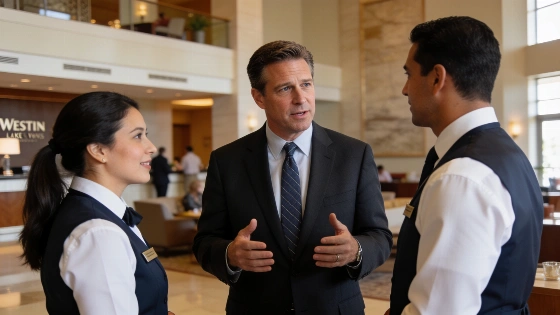
His tour, conducted alongside American Hotel & Lodging Association President and CEO Rosanna Maietta, cut through the usual ceremony. Sonderling met with staff in recreation, housekeeping, food and beverage, and guest services, directly engaging with the workers who keep the 350-room resort running. The message: hospitality isn’t just a job, it’s a launchpad for advancement—an industry where half of general managers nationwide started in entry-level roles, according to AHLA data.
Workforce Development in Focus
The visit wasn’t just symbolic. Sonderling and AHLA leadership used the occasion to highlight concrete workforce development efforts, including on-the-job training, apprenticeships, and mentorships. These programs are designed to address the real labor needs of Nevada’s hospitality sector, which supports nearly 25% of all jobs in the state and generates over $17 billion in taxes, according to the association.
AHLA’s “Heart of the House” tour, which brought Sonderling to the Westin, is part of a broader push to connect more Americans with hospitality careers. The association claims the industry offers more than 200 career pathways, and its apprenticeship program is pitched as a direct route to leadership for those starting at the ground floor.
National Hotel Employee Day: More Than a Slogan
National Hotel Employee Day, observed every September 1 since 2022, is more than a calendar footnote for Las Vegas. The day was established by AHLA and the National Day Calendar to recognize the contributions of hotel workers to the travel and tourism economy—a sector that defines Southern Nevada’s identity and bottom line. This year’s theme, “A Place to Start. A Place to Grow,” was on full display as Sonderling listened to staff stories and discussed how federal policy can support both workers and employers.
Maietta emphasized that the tour gave Sonderling a firsthand look at the industry’s role as a ladder of upward mobility. She pointed to AHLA’s partnership with the Department of Labor as a way to expand access to rewarding hospitality careers, especially through apprenticeships that bridge the gap between entry-level work and management.
Las Vegas Resorts and the National Conversation
The Westin Lake Las Vegas, with its 350 employees, is just one node in a network of more than 30,000 member properties represented by AHLA nationwide. In Nevada, the scale is even more pronounced: hotels and resorts are not just major employers, but also critical tax generators and community anchors. The industry’s reach extends far beyond the Strip, shaping the economic landscape of Henderson, Paradise, and the broader Las Vegas Valley.
Recent moves by other major resorts, such as Fontainebleau Las Vegas expanding its rewards program to include citywide experiences, show how properties are competing for both talent and guests in a tight labor market—a trend reported earlier by Vegas Report.
Leadership and Policy Shifts
Sonderling’s presence in Nevada comes at a pivotal moment for federal labor leadership. Serving as acting secretary since April 20 after Lori Chavez-DeRemer’s resignation, Sonderling was nominated by President Donald Trump for the permanent role on June 29. His Senate confirmation process remains ongoing, with a committee advancing his nomination by a narrow 12-11 vote in July.
For Las Vegas, the stakes are clear: federal labor policy and local workforce initiatives are deeply intertwined. As resorts and hotels continue to drive the region’s economy, the ability to attract, train, and retain talent will determine whether Southern Nevada can sustain its status as a global hospitality capital.
What’s unmistakable is that the real test for Las Vegas hospitality isn’t in the slogans or ceremonial visits—it’s in the daily realities faced by workers and the tangible opportunities available for advancement. Sonderling’s tour may have been a photo op, but the numbers don’t lie: with nearly a quarter of Nevada’s jobs tied to hotels and more than 9 million supported nationwide, the future of the region’s economy depends on whether these workforce programs deliver more than promises. Until the industry can show that upward mobility is the rule, not the exception, Las Vegas will remain both a proving ground and a pressure point for the national conversation on hospitality careers.