
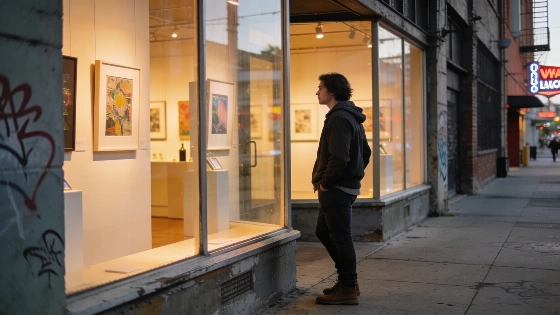
Independent galleries and locally owned restaurants line this walkable downtown corridor. After dark or during monthly First Friday, the neighborhood’s street life comes into sharper focus.
During daylight, storefronts in the Las Vegas Arts District can feel quieter than visitors expect. After dark, galleries and restaurants bring a different pulse to the neighborhood. First Friday turns the area into a monthly street festival.
Known as 18b, the compact district offers a walkable alternative to the Strip’s casinos and spectacle. Visitors focused on the Strip also come here: Julie Anne San Jose, for example, visited Las Vegas ahead of a Pinoy Festival show.
The proposed Business Improvement District could bring about $1.9 million to the neighborhood in its first year. Its proposed footprint would run from East Bonneville Avenue to West Wyoming Avenue, between Las Vegas Boulevard and the Union Pacific railroad tracks.
Go after dark
The district’s independent businesses are best explored on foot. Repurposed buildings house galleries and restaurants. Breweries and vintage shops fill the blocks between them. Street art and the glow from storefronts give the area a different character at night. A weekend evening is the local writer’s recommendation for a first visit.
First Friday, held on the first Friday of each month, is the busiest showcase. Live music fills the streets, while food trucks and vendors draw crowds. Many permanent businesses offer specials, turning the neighborhood into a festival centered on local art and community.
During First Friday in October 2026, a shooting at Charleston Boulevard and Main Street left 15-year-old Cartonesi Jacobs-Rogers dead and two other teenagers with non-life-threatening injuries. Police said it happened at about 10:17 p.m. and appeared to have begun after a fight. The First Friday Foundation expressed condolences and said it would determine an appropriate response as the circumstances became clearer; businesses and organizers also discussed possible changes such as metal detectors, restricted areas and wristbands.
Art and live performance
The Arts District’s story dates to 1997, when photographer Wes Myles opened The Arts Factory in a former industrial warehouse. It now houses galleries. Studios and creative businesses also operate there. The district gained traction around 2002, helped by First Friday and support from the Las Vegas City Council. Its name, 18b, refers to the city’s original 18-block arts zoning designation.
Recycled Propaganda is known for socially conscious exhibitions and its support of local and underground artists. Priscilla Fowler Fine Art focuses on fine art photography. Conrad West Gallery and The Arts Factory add exhibition and studio space. Changing installations and pop-ups give repeat visits a different mix.
The performing arts scene is small-scale and locally focused. Vegas Theatre Company’s intimate Black Box Theatre serves as an incubator for local talent and new works. On Main Street, Majestic Repertory Theatre stages plays and musicals. It also produces original work, often with inventive sets and immersive elements.
Independent kitchens and bars
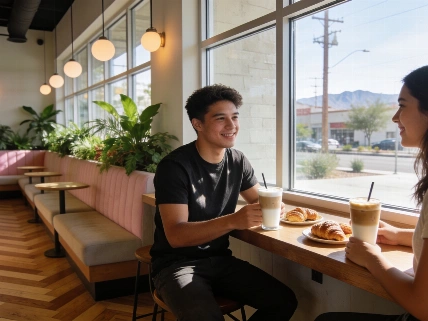
Food is a major part of the district’s growth. Restaurants are largely locally owned and chef-driven, with changing menus and a less formal feel than the Strip’s major dining rooms. Main St. Provisions serves upscale comfort food under chef Miguel Tapia and owner Kim Owens. Makers & Finders draws diners for Latin-inspired breakfast and lunch, including Cuban-influenced dishes and chilaquiles.
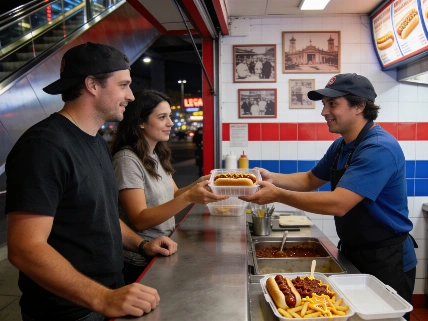
Esther’s Kitchen is known for handmade pastas and naturally leavened bread. Its wood-fired pizzas use seasonal ingredients. Tacotarian serves plant-based versions of Mexican classics, including vegan birria tacos. Good Pie sells Detroit-style pies and New York slices, with a to-go window for a quick stop between galleries.
ReBar combines a bar with a thrift shop. The furnishings are for sale, including the stool at your table. Able Baker Brewing Company is among the local beer options. Nevada Brew Works and Las Vegas Brewing Company are also in the district. Able Baker’s Atomic Duck pairs a pint with a reference to the area’s atomic history. Velveteen Rabbit is known for a changing cocktail menu built around themes such as “Time Travelers.”
Vintage finds and local character
Vintage shops offer another reason to take the side streets. Alt Rebel focuses on ’90s and 2000s designer fashion. The Red Kat Vintage is a destination for vintage clothing. Republic Goods and Buffalo Exchange offer consignment or trade-ins. Main Street Mercantile pairs antiques with distinctive finds. It also sells clothing.
Koolsville Tattoo and 18b Tattoo are within walking distance of the district’s bars and galleries. The same is true of Sick One Tattoos and Main Street Tattoo.
The official district runs from Hoover Avenue in the north to Colorado Avenue in the south. Commerce Street marks its western edge, while 4th Street and South Las Vegas Boulevard mark the eastern edge. New businesses have spread onto nearby downtown streets as well. In October 2026, the Las Vegas City Council approved a 16,435-square-foot lease for UNLV at 70 Bonneville Avenue. The council also approved a new space in the Arts District garage for The Greek Gyro. According to the council meeting record and 8 News Now, the restaurant was planned to open in April 2027.
That same month, a private Business Improvement District was proposed to fund additional security. The plan would also pay for cleaning and marketing through mandatory property-owner contributions. Establishing the district would require a petition and city council consideration, followed by public hearings. It could be created only by municipal ordinance. The board of the 18b Las Vegas Arts District Neighborhood Association opposed the plan. The Las Vegas Sun reported the board’s warning that higher property costs could intensify gentrification and displace residents and small businesses that shape the neighborhood’s cultural identity.