
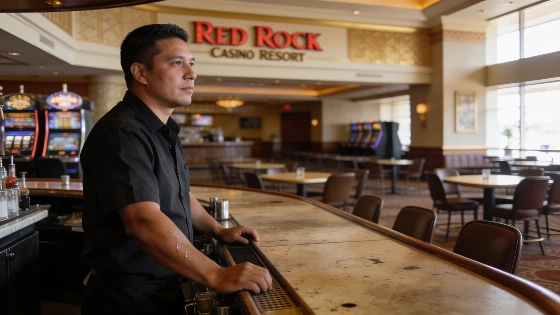
President Donald Trump promoted his 'No Tax on Tips' plan at Red Rock Casino, but with visitor numbers down and hospitality jobs lagging, Las Vegas workers see little benefit unless tourism rebounds.
President Donald Trump returned to Las Vegas this week, highlighting his 'No Tax on Tips' proposal during a rally at Red Rock Casino Resort. While the policy aims to boost take-home pay for hospitality workers, the reality for many in Las Vegas is that tax-free tips offer little relief if visitor numbers remain below pre-pandemic levels and jobs are slow to return.
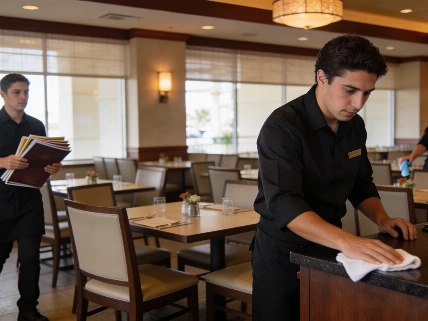
Las Vegas depends on a steady flow of tourists to support its hotels, casinos, restaurants, and entertainment venues. For bartenders, dealers, housekeepers, servers, and rideshare drivers, tips are a crucial part of their income. However, with fewer visitors arriving and international travel still lagging, many workers are struggling to find enough shifts or customers to make ends meet.
Tourism Slowdown Impacts Hospitality Jobs
Recent federal jobs data underscores the challenge. According to the latest report, the U.S. economy lost 23,000 jobs in July, with hospitality among the hardest-hit sectors. The Labor Department also revised previous months’ numbers downward, signaling a slower recovery than initially reported. In Las Vegas, this means fewer opportunities for workers whose livelihoods depend on a robust tourism industry.
Rising inflation and higher costs for essentials like groceries, gas, and housing have made American travelers more cautious with their spending. Mortgage rates remain elevated, and everyday expenses continue to strain household budgets. These factors have contributed to a dip in domestic travel to Las Vegas, with many visitors cutting back on discretionary spending during their stays.
International Travel and Trade Tensions
International tourism, a key driver for Las Vegas, has also slowed. Economic uncertainty, shifting trade policies, and strained diplomatic relations have made the U.S. a less attractive destination for some foreign travelers. During his Las Vegas appearance, Trump criticized several U.S. allies, including Canada and Mexico—two of Southern Nevada’s largest sources of international visitors. Such rhetoric has led to calls for boycotts and increased hesitation among potential travelers from these countries.
Every lost visitor means fewer jobs, reduced hours, and lower tip income for hospitality workers. Industry experts warn that changing travel habits can have long-term effects, making it difficult to win back international guests once they choose alternative destinations.
Economic Pressures and Policy Shifts
Beyond tourism, Las Vegas residents continue to face high costs for housing, utilities, and everyday goods. While inflation has eased from its peak, many families still feel squeezed. Meanwhile, federal policy changes have affected sectors that could help diversify Nevada’s economy, such as clean energy and advanced manufacturing. Reductions in federal support for these industries risk slowing investment and job growth at a time when the state is seeking to broaden its economic base.
For Las Vegas to thrive, industry leaders and policymakers agree that attracting visitors—both domestic and international—remains essential. Tax relief on tips may help some workers, but without a strong tourism recovery, the policy’s impact will be limited. Restoring confidence in Las Vegas as a welcoming, world-class destination is seen as a critical step for the city’s hospitality workforce and overall economic health.