
A move from 'just-in-time' to 'just-in-case' inventory is reshaping Las Vegas industrial real estate, with more companies seeking regional warehouse space to guard against supply chain disruptions.
Las Vegas is seeing a significant shift in its commercial real estate landscape as companies move away from the traditional 'just-in-time' (JIT) inventory model and embrace a 'just-in-case' (JIC) approach. This change is driving demand for regional warehouse space, as businesses seek to protect themselves from ongoing supply chain disruptions.
According to CBRE, a leading commercial real estate services firm, the shift is being fueled by a series of global and domestic disruptions, including pandemic-related shutdowns, port congestion, shipping delays, and inflationary pressures. Rubén Ramírez, head of tenant services for CBRE’s Industrial and Logistics division in the Americas, explained that supply chain interruptions are now considered the norm rather than the exception, prompting companies to plan for uncertainty.
Regional Warehousing Gains Momentum
Traditionally, JIT supply chains focused on minimizing inventory and locating warehouses near ports or major import hubs to reduce costs. However, John Kirkman, senior managing director and supply chain advisory leader at CBRE, noted that the JIC model brings inventory closer to the point of consumption. This trend is benefiting central U.S. markets such as Dallas, Kansas City, and Columbus, and is increasingly relevant for Las Vegas as a regional distribution hub.
Companies are moving from one or two large coastal or inland centers to three or four regional facilities. In Las Vegas, this has translated into a notable shift in warehouse absorption rates. While demand for port-adjacent warehouses has dropped to its lowest level in 15 years, regional markets like Southern Nevada are seeing renewed interest as businesses seek to build up safety stock and buffer against unpredictable supply chain events.
Warehouse Design and Labor Challenges
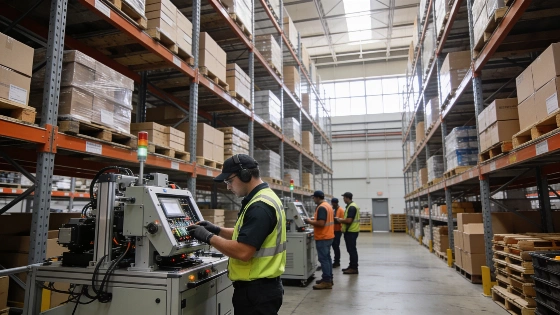
The move to JIC inventory is also changing the requirements for warehouse design. Distribution centers are now being built with 15–25% more square footage to accommodate higher inventory levels, and there is increased demand for features such as higher clear heights, greater power density, and advanced smart-building infrastructure. Retrofitting existing properties to meet these standards is proving difficult, often requiring major upgrades rather than simple cosmetic changes.
Labor needs are evolving as well. As automation becomes more prevalent, companies are closing older distribution centers and opening new, highly automated facilities. This shift means fewer traditional warehouse workers but a greater need for skilled technicians, who command higher wages and are in short supply across the U.S.
Supply Chain Risks and Costs
While the JIT model exposes companies to risk when disruptions occur, the JIC approach comes with higher costs due to increased inventory and facility requirements. Most businesses are now seeking a balance between the two models, but the overall trend is moving toward greater inventory security. Kirkman described the current era as the “decade of disruptions,” with safety stock now seen as essential for protecting revenue during unpredictable events.
These changes are also influencing site selection criteria for new warehouses. In addition to traditional factors like transportation infrastructure and labor availability, companies are now prioritizing access to reliable energy and water. Energy constraints, driven by rising rates and increased demand from data centers, are becoming a key consideration for new developments in the Las Vegas area.
Las Vegas Real Estate and Broader Impacts
The shift in inventory strategy is having a ripple effect on the Las Vegas industrial real estate market. Third-party logistics providers are taking a larger share of industrial leases, as companies look to test new markets and automate operations. The need for more regional distribution centers is also influencing development timelines and project priorities, similar to the way Bally’s has adjusted its plans for the new Athletics ballpark and surrounding mixed-use project, as previously reported in coverage of evolving development timelines in Las Vegas.
As companies continue to adapt to ongoing supply chain volatility, Las Vegas is positioned to play a growing role as a regional logistics hub. The city’s location, infrastructure, and evolving industrial real estate market make it a key player in the new era of inventory management.