
Marina Bay Sands has pledged more than $1.1 million to Singapore’s Mandai Wildlife Centre over three years, expanding its sustainability partnerships and supporting biodiversity initiatives that echo across the hospitality industry
Marina Bay Sands has committed more than $1.1 million to the Mandai Wildlife Centre, marking one of its largest investments in biodiversity conservation to date. The move signals a deepening of the resort’s sustainability agenda, with direct implications for how major hospitality operators approach environmental responsibility in urban destinations.
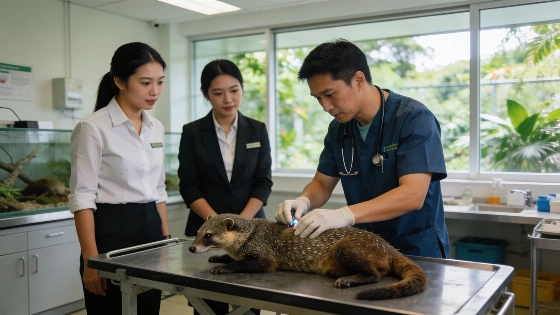
The Mandai Wildlife Centre, operated by Mandai Nature—the nonprofit arm of Mandai Wildlife Group—serves as Singapore’s newest rehabilitation facility for rescued native wildlife. The funding, announced in late July, will be distributed over three years and is designed to enhance the center’s capacity for veterinary care, research, and the rehabilitation of local species.
Expanding Sustainability Partnerships
Marina Bay Sands’ donation is not an isolated gesture. The resort has built a network of partnerships aimed at embedding sustainability into its operations and community outreach. Earlier this summer, Marina Bay Sands launched a two-year collaboration with the SG Eco Fund, a $39 million initiative by Singapore’s Ministry of Sustainability and the Environment. The partnership kicked off with the Sustainable Futures Film Festival at the ArtScience Museum, featuring films and interactive exhibitions focused on climate adaptation and biodiversity.
These efforts are part of the broader Sands ECO360 strategy, which addresses emissions reduction, water stewardship, waste management, and sustainable sourcing. The global sustainability team at Sands coordinates these projects to ensure that environmental best practices are not just theoretical but operational across its properties.
Concrete Actions and Community Impact
Beyond financial contributions, Marina Bay Sands is working with Mandai Nature to develop educational programs for international guests and local partners. These initiatives aim to raise awareness about the importance of biodiversity in urban environments and foster a culture of conservation among visitors and residents alike.
The resort’s sustainability work extends to supply chain transparency. Since 2015, Marina Bay Sands has partnered with World Wide Fund for Nature Singapore to improve responsible seafood sourcing. This collaboration has evolved to include deforestation risk assessments for high-impact commodities such as palm oil, cocoa, and beef, with the goal of reducing environmental harm throughout the hospitality supply chain.
In Malaysian Borneo, Marina Bay Sands has supported Hutan’s reforestation program, underwriting the work of indigenous Orang Sungei women restoring wildlife corridors in palm oil landscapes. The Drop By Drop Project, another long-standing partnership, funds water stewardship initiatives in Macao and Singapore, including mangrove restoration and rainwater harvesting for low-income communities.
Industry Implications and Editorial Perspective
Marina Bay Sands’ approach stands out in an industry often criticized for greenwashing and superficial sustainability claims. By channeling significant resources into measurable projects—ranging from wildlife rehabilitation to supply chain reform—the resort is setting a higher bar for environmental accountability among global hospitality operators.
While the Las Vegas Strip is no stranger to sustainability rhetoric, few operators have matched this level of sustained, multi-pronged investment. The lesson for Las Vegas resorts is clear: meaningful environmental action requires more than marketing campaigns or token gestures. It demands long-term partnerships, transparent reporting, and a willingness to fund real change. As climate adaptation and biodiversity protection become central to the future of urban tourism, the hospitality sector’s credibility will hinge on its ability to deliver results that go beyond the press release.