
Las Vegas airfare remains lower than most major U.S. cities, but volatile ticket prices and higher travel costs are changing how visitors plan, spend, and experience the city in 2025.
Las Vegas is still one of the cheapest major U.S. cities to fly into, but cheap tickets are no longer a given. Airfare now swings unpredictably, especially around weekends and big events, so visitors have to plan further ahead and watch their budgets more closely if they want their money to go further on the Strip.
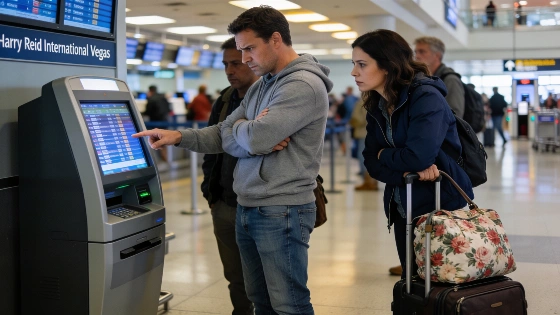
Harry Reid International Airport saw a record 58.4 million passengers in 2024, according to official airport data. But tourism growth isn’t keeping up with that pace. More people are flying in, but many are staying for shorter trips, spending more just to get there, and cutting back once they arrive.
Airfare patterns shift visitor behavior
In 2024, the average domestic fare to Las Vegas was about $285—still less than most big U.S. airports—but that average hides some sharp jumps. The Las Vegas Convention and Visitors Authority (LVCVA) reports that in the first four months of 2026, average U.S. airfares rose 12%, while tickets to and from Harry Reid International climbed over 20%. The biggest jumps came in March and April, with fares up 12% each month. For travelers used to post-pandemic deals, the price hikes are hard to ignore. The old idea of "cheap Vegas flights" is fading, especially for people who used to book last-minute trips on a whim.
Analysts point to higher airline fuel, labor, and operating costs as the main reasons. In 2026, jet fuel prices jumped 73% since February, which airline executives and LVCVA head Steve Hill linked to rising oil costs after conflict with Iran began. Even when base fares look steady, extra fees and dynamic pricing push the total cost higher. As a result, visitors are booking earlier, choosing midweek flights, or shortening their stays to save money. Some are shifting trips to less busy seasons, when flights and hotel rooms are cheaper.
Tourism spending hits new highs, but growth slows
Despite higher airfare, average visitor spending in Las Vegas reached new highs in 2024, with per-trip spending over $1,300 and daily spending around $330. Lodging, dining, and shopping all increased, but growth is slowing. Spending on sightseeing and entertainment has leveled off, and Strip gaming revenue dropped in the second half of the year, even as airport traffic kept rising.
Economic studies put the region’s tourism industry at $87.7 billion in 2024, but repeat visits are under pressure. Some domestic markets are cooling as households react to inflation and higher borrowing costs. LVCVA research shows that while most visitors still say Las Vegas exceeds their expectations, more are worried about affordability as airfare, hotel rates, resort fees, and event prices all go up. Southwest Airlines, which carries about 37% of Las Vegas passengers, raised fares by 18% in early 2026. Frontier and Allegiant each posted 23% increases, while Spirit and Breeze saw 6% and 11% hikes, according to the Las Vegas Review-Journal.
Industry response and visitor strategies
Hotels, airlines, and travel sellers are pushing bundled packages and advance-purchase deals, especially during slower periods. Airlines use data-driven pricing to adjust fares and capacity quickly around major events, but this often means travelers see big price swings from week to week. For visitors watching their wallets, higher airfare leaves less for side trips, gambling, or splurging on meals once they arrive.
Travel advisers suggest tracking fare trends, booking early, and aiming for off-peak travel to get the best prices. Flexible travelers can still find value in shoulder-season promotions, but last-minute deals are rare. The city’s packed event calendar—conventions, residencies, sports—widens the gap between off-peak and peak pricing.
Las Vegas faces a new normal for visitor costs
Federal aviation data shows that the days of deep-discount airfare are over. Airlines face higher costs, limited fleets, and slot constraints, all of which keep prices firm. For Las Vegas, this means travelers have to adjust their expectations for what a trip will cost. Tourism forecasts predict visitor spending will keep growing, but not as quickly as it did right after travel restrictions ended.
Recent trends show fewer visitors but higher average spending, pointing to a shift toward a smaller group of higher-value guests. Las Vegas isn’t out of reach, but it now takes more planning and effort to find value. Whether visitors still see the experience as worth the price will shape how strong the city’s tourism economy stays as costs rise. As recent reporting on record gas prices shows, just getting to Las Vegas is now a bigger part of the cost equation.
Las Vegas has always marketed itself as an easy getaway, but the numbers tell a different story. The city is moving toward a future where value is measured by what people are willing to pay for the experience. Whether visitors still see that as a good deal will shape the Strip’s future.