

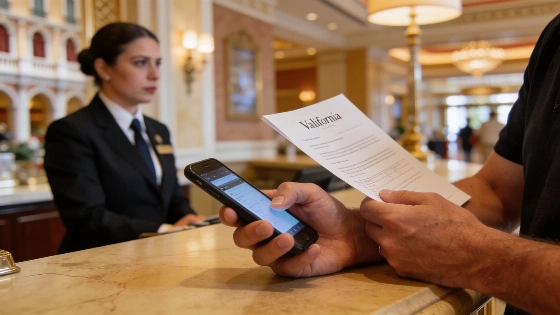
California residents who used or booked through VenetianLasVegas.com between September 2024 and March 2026 could get cash from a $1.6 million privacy settlement over guest data sharing.
Venetian Las Vegas Gaming has agreed to pay $1.6 million to settle a class action lawsuit. The deal could mean cash for California residents who used the VenetianLasVegas.com website during an 18-month window. The lawsuit accused the resort of sharing private guest records and online chats with outside companies without telling users. Plaintiffs said this broke the California Invasion of Privacy Act. As of now, there is no independent confirmation of the settlement's final approval or claim deadlines in major news outlets or official regulatory filings. Anyone interested should check the latest court documents or contact the settlement administrator for updates. This status is also listed in the Class Action Tracker database.
Anyone who accessed or booked a stay on the Venetian Las Vegas website while physically in California between September 18, 2024, and March 16, 2026, could qualify for a direct payment. To get paid, they must file a claim by November 24, 2026.
Who can get a payment
The settlement splits claimants into two groups. The browsing settlement class covers California residents who simply visited the Venetian Las Vegas website during the covered period. There are nearly one million people in this group, with $668,286.50 set aside for their claims. The booking settlement class is for those who actually made a reservation for a Venetian hotel stay through the site. About 35,159 people are in this group, with $931,713.50 reserved for their payments. Some people may be in both groups, which could increase their payout.
How much will people get
The estimated payments are very different for each group. Booking settlement class members are expected to get about $71.39 per valid claim. Browsing settlement class members are projected to receive around $3.60 each. The final amount depends on how many valid claims are filed. If more people file, the payout per person could go down.
How to file a claim
Eligible people must submit a claim form. This can be done online or by mailing a PDF to the settlement administrator at Venetian Las Vegas Settlement, P.O. Box 3278, Portland, OR 97208-3278. Online claims require the unique ID and PIN from the settlement notice. All claimants must confirm they lived in California and used the website during the right dates. Payments will be sent by PayPal, Venmo, or a mailed check. Checks expire 180 days after they are issued. The deadline to file is November 24, 2026.
Settlement details and timeline
Out of the $1.6 million fund, up to $533,333.33 will go to attorneys for fees and costs. Up to $5,000 is set aside for a service award to the class representative. The rest, after administrative costs, will be paid to eligible claimants. Anyone who wants to opt out must do so by November 24, 2026. A fairness hearing is set for December 3, 2026. Payments are expected within 45 days after the court gives final approval and any appeals are resolved.
Why the settlement happened
The lawsuit claimed Venetian Las Vegas Gaming gave guest records and private website chats to third parties without permission, breaking California law. Venetian denied doing anything wrong but agreed to settle to avoid the risk and cost of a long court fight. This case is part of a larger wave of privacy lawsuits against hotels and entertainment companies, as seen in other recent legal actions reported by Vegas Report.
For Las Vegas resorts, this settlement shows that digital privacy is now a real business risk, especially with out-of-state guests. Regulatory analysis shows the California Privacy Protection Agency has been stepping up enforcement on consent, opt-out rights, and data broker rules. These lawsuits are part of a bigger trend in consumer data protection. This was highlighted in a regulatory review by Multistate. With nearly a million possible claimants and payments for both browsers and bookers, the case puts a spotlight on the risks for Strip hotels that handle guest data. The message is clear: privacy compliance is now a must, and mistakes can cost both money and guest trust.