
High housing costs have pushed some Hawaii residents to Southern Nevada. Island-owned eateries and local events have helped build a major Hawaiian community hub.
For decades, families have left Hawaii for Southern Nevada, building a lasting Hawaiian presence across the Las Vegas valley.
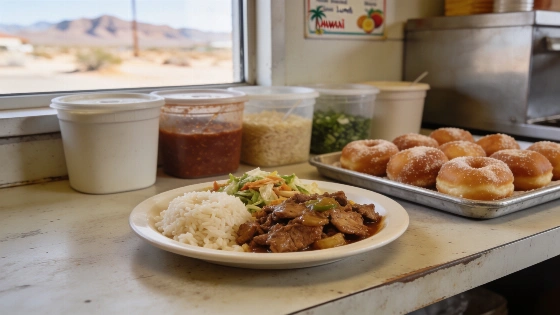
The migration brought more than new residents to the Mojave Desert. Hawaiian-owned restaurants and shops now sit alongside cultural festivals and music events. Plate-lunch counters serve familiar meals, while bakeries sell malasadas and stores stock island ingredients.
What drew families to Nevada
High real estate prices have made homeownership harder to reach for local families. Hawaii’s steep state taxes and elevated cost of living add to the pressure. Nevada has no individual state income tax.
The American Community Survey’s 2024 figures put median home values at $451,000 in Clark County and $920,600 in Honolulu County. AARP Hawaiʻi’s housing-needs analysis projects that the state will need nearly 60,000 additional housing units by 2050. Civil Beat, citing Pew Charitable Trusts, has reported that housing costs contribute more to poverty in Hawaii than in any other state.
Recent survey results show the strain: the share of Hawaii residents who said they had considered moving out of state rose from 40% in 2024 to 46% in the latest survey reported by the Honolulu Star-Advertiser. That figure measures people considering a move, not completed relocations.
Las Vegas offers comparatively lower home values and no state income tax. Jobs in hospitality support some newcomers; entertainment work supports others. Construction and service industries also provide employment.
The migration has roots in the mid-twentieth century. PChome News recounts that Boyd opened the downtown California Hotel & Casino in 1975 at a cost of about $10 million. It initially targeted visitors from Southern California, then faced financial difficulties and shifted its marketing toward Hawaii. Discounted travel packages and lower-cost flights helped draw Hawaiian visitors. Familiar cuisine played a role, too. Boyd also established a travel company to serve the market.
Some vacation trips eventually became permanent moves. Extended families relocated to the mainland, as did college graduates. Retirees made the move as well.
IRS Statistics of Income data cited in a 2022–2023 migration analysis recorded 1,863 tax returns associated with moves from Hawaii to Nevada. That is not a count of individual movers: a single return can cover more than one person. The same analysis put Nevada’s total inbound migration at 66,782 taxpayers representing 111,121 people during that period.
Island culture across the valley
Hawaiian-owned businesses have become part of the metropolitan area’s everyday dining and shopping scene. Plate-lunch counters and bakeries selling malasadas give residents access to familiar food far from the islands. Specialty grocers carry island ingredients.
Las Vegas food businesses are part of a wider dining landscape. A Southwest Valley food hall report tracked changes elsewhere in that scene.
Urban planners and sociologists point to the migration as an example of economic pressure reshaping a region’s population and culture. Hawaiian-owned businesses maintain connections to the islands, while local events keep those traditions visible across the valley.
Hula competitions and festivals draw thousands of attendees. Concert tours by Pacific island musicians bring crowds to local events, too.