

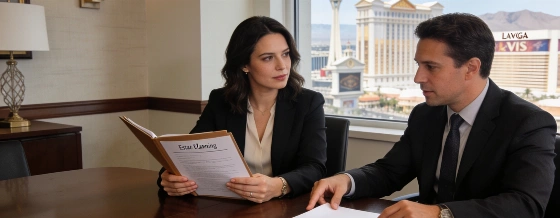
Las Vegas estate planning attorneys say putting off key decisions can leave families exposed. Local firms explain how Nevada law and early planning help residents and business owners protect assets and avoid probate headaches.
When a Las Vegas family faces a sudden illness or loss, not having an estate plan can quickly turn a hard moment into a legal and financial mess. Local estate planning attorneys see the real trouble starting long before any crisis—when families delay decisions about trusts, asset protection, or guardianship, thinking there will always be more time.
In Southern Nevada, the risks are bigger than many expect. Nevada’s trust laws give residents strong options for protecting assets, but only if they act before problems arise. Nevada Trust Company® points out that picking a trustee isn’t just a formality. The right trustee depends on the trust’s purpose—whether that’s shielding assets from future creditors, handling family disputes, or making sure wealth passes smoothly to the next generation.
How Nevada’s trust laws work
Nevada is one of the few states that allows self-settled asset protection trusts. If set up correctly, these trusts can protect assets from some future creditor claims. They’re governed by Chapter 166 of the Nevada Revised Statutes, which requires a Nevada connection—like a Nevada-resident trustee or a Nevada trust company—for the trust to qualify. As explained in Nevada-focused legal analysis, this legal structure is why the state is a national leader in self-settled trusts. James Kriss, Vice President at Nevada Trust Company®, stresses that these trusts aren’t a way to dodge existing debts. They’re proactive tools that need careful planning and strict compliance with state law. A revocable living trust, on the other hand, can help with incapacity and asset transfer but doesn’t protect against creditors because the creator still controls the assets.
Choosing between a family member and a corporate trustee isn’t always simple. Family trustees may know personal wishes but can struggle with legal, tax, and investment duties. Corporate trustees offer objectivity and oversight, but families should check their experience, accessibility, and willingness to work with existing advisors. Some families use a mix of both, combining personal involvement with professional management for balance and continuity.
Why follow-through matters
Ocampo Wiseman Law, with over thirty years of combined experience in Las Vegas, often sees the fallout when estate plans are incomplete or never fully put in place. Their probate cases show a pattern: families who thought they were protected find out too late that assets weren’t titled correctly, beneficiary forms were outdated, or key documents were missing. Good planning starts with understanding what the family actually needs—not just filling out paperwork—and requires regular updates as life changes, like marriages, new children, business growth, or buying property.
Morris Estate Planning Attorneys see the same issues. Legal documents like wills, trusts, and powers of attorney need to fit each client’s situation and goals. Generic templates rarely hold up when tested. Structuring assets to avoid probate—by titling them in a trust and naming beneficiaries on retirement accounts and insurance—can save families time, money, and stress. Naming guardians for minor children and setting clear inheritance terms aren’t optional; they’re basic protections for loved ones.
Digital assets and new challenges
Stone Bybee & Associates, PLLC, serving Nevada families since 2003, points to a growing issue in estate planning: digital assets. Online accounts, photos, emails, and digital currencies can be lost for good if not addressed ahead of time. Many platforms now let users name someone to access accounts after death, but digital keys for cryptocurrencies need special care—sharing them too soon is a security risk, but failing to plan can mean the assets disappear.
Asset protection isn’t just about lawsuits or creditors. For professionals, business owners, and public figures in Las Vegas, the right mix of LLCs, spendthrift trusts, and homestead protections can help keep assets private and under control while reducing risk. Nevada is considered one of the top states for domestic asset protection trusts (DAPTs), along with South Dakota, Delaware, and Alaska. Industry summaries count about 20 states with DAPT-style laws. According to a review by Alper Law, setting up a Nevada DAPT usually costs $10,000 to $15,000, with annual trustee fees between $2,000 and $5,000. If a home’s value is above Nevada’s homestead limits, a spendthrift trust may offer extra protection.
What happens if you don’t plan
Without a plan, families can face probate delays, extra taxes, and disputes that strain relationships. An inheritance left outright to a beneficiary can be lost to creditors, divorce, or bad decisions. Passing assets in trust can protect both the money and the person receiving it, allowing for controlled distributions and long-term security. Those expecting to inherit significant assets should consider asking parents or grandparents to use protected trusts for transfers.
Nevada’s asset protection trusts are usually irrevocable, and the person setting up the trust can remain a discretionary beneficiary while transferring assets to a Nevada trustee. These protections are meant to guard against future, not current, creditor claims, and the law gives creditors two years to challenge transfers to a properly funded trust. Legal analysis warns that protection isn’t absolute—fraudulent transfer laws, existing creditor claims, retained control, or another state’s law with stronger ties can limit or defeat the trust’s effectiveness.
Estate planning isn’t a one-time task. As Las Vegas keeps attracting new residents and businesses, family and financial situations get more complicated. The recent recapitalization of MorningStar Senior Living at The Canyons in Summerlin shows how asset structuring and succession planning are now central to both personal and business decisions in the region.
Las Vegas families who treat estate planning as an ongoing process—one that adapts to changing laws, assets, and relationships—are more likely to avoid costly surprises. Local experts agree: waiting until a crisis hits is a bad bet. In a city built on risk, the safest move is to plan ahead, put it in writing, and update the plan as life changes.