
The $2.3 billion Sphere in Paradise draws major acts and crowds but continues to post steep operating losses as daily expenses and power bills outpace revenue from concerts and events
The Las Vegas Sphere is pulling in headline acts and crowds, but the numbers behind the scenes tell a different story. Despite generating $174.1 million in revenue during a recent financial quarter, the venue still posted an operating loss of $84.4 million, according to reporting from Huddle Up. The culprit: relentless daily costs that dwarf even the most lucrative event nights.
Every day, the Sphere’s baseline operating expenses run into the tens of thousands of dollars, with power consumption alone estimated at around $460,000 per month. That figure comes from calculations shared by local observers, who estimate the venue burns through roughly 7,800 megawatt-hours monthly—enough to power thousands of homes. And that’s before factoring in additional demand charges and the fluctuating costs tied to major concerts or immersive shows.
Inside the Most Expensive Venue in Las Vegas
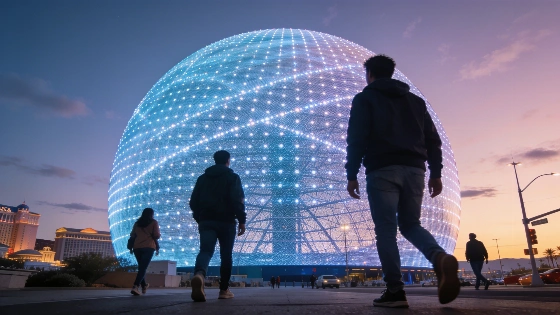
When the Sphere opened its doors in Paradise on September 29, 2023, with U2’s residency, it instantly became the most expensive entertainment venue ever built in the Las Vegas Valley. The final construction bill reached $2.3 billion, a figure driven by the venue’s ambitious design and technology. The 13,000-ton steel-domed roof and the exosphere—an outer shell made entirely of LED panels visible for miles—set new standards for immersive entertainment but also locked in high ongoing maintenance and energy costs.
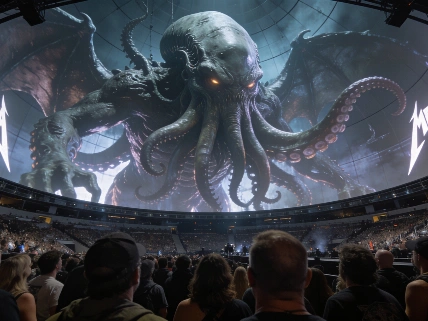
Delays during the Covid-19 pandemic pushed the opening from an initial 2021 target to late 2023, further inflating costs. Since launch, the Sphere has hosted acts like Metallica, No Doubt, and the Backstreet Boys, drawing both locals and tourists eager to experience its 18,600-seat auditorium and wraparound visuals. Yet, even with a packed event calendar, the venue’s financials remain under pressure.
What Drives the Sphere’s Operating Losses
Unlike traditional arenas, the Sphere’s unique architecture and technology demand constant investment. The exosphere’s LED panels require significant power and specialized upkeep. Reddit users and local analysts have dissected the venue’s utility bills, with one noting, “If they are using that much power they probably have another $50 grand in demand charges.” Even those familiar with large-scale venues express surprise at the scale of the monthly bills, which are far higher than most Las Vegas properties.
While the Sphere’s event revenue is substantial, the venue’s fixed costs—energy, staffing, maintenance, and technology—leave little margin for error. The result: even blockbuster shows can’t guarantee profitability. This dynamic stands in contrast to other long-running Las Vegas venues, such as those highlighted in a previous investigation into the Golden Nugget’s decades-long operation, where traditional business models and lower overhead have enabled sustained success.
Impact on Las Vegas Entertainment and the Visitor Economy
The Sphere’s financial challenges matter for more than just its owners. As a marquee attraction on the east side of the Strip, its ability to draw visitors and host major events is closely watched by neighboring resorts, local businesses, and the broader Las Vegas hospitality sector. High-profile losses could affect future programming, ticket pricing, and even the willingness of artists to commit to residencies or special events at the venue.
For now, the Sphere remains a technological marvel and a magnet for attention, but its business model is under the microscope. The venue’s struggle to balance spectacle with sustainability is a cautionary tale for Las Vegas developers chasing the next big thing. Until the Sphere can align its operating costs with its revenue, it stands as a reminder that even in a city built on spectacle, the math still matters.