
Diesel prices have surged to historic highs nationwide, with Las Vegas businesses and residents now facing higher costs for groceries, deliveries and transportation as the war with Iran disrupts global fuel supplies
Las Vegas residents and businesses are feeling the sting of the highest diesel prices ever recorded in the United States, as the ongoing war with Iran pushes the average cost to $5.85 per gallon. The impact is immediate and visible across the city’s grocery aisles, delivery services and supply chains, with no quick relief in sight.
For a city built on hospitality, entertainment and constant movement of goods, the spike in diesel is not just a national headline—it’s a direct hit to the cost of living and doing business in Southern Nevada.
Las Vegas Supply Chains Under Pressure
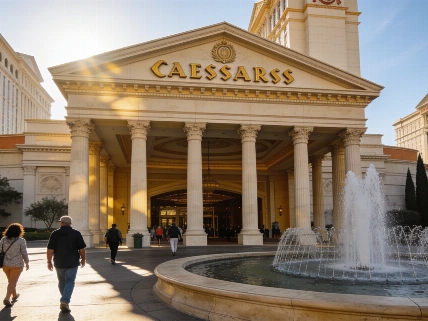
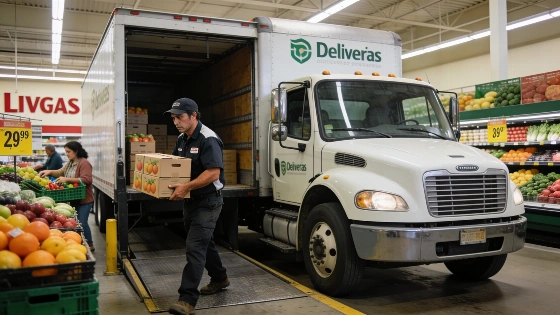
From Strip resorts to neighborhood supermarkets, nearly every product that reaches Las Vegas arrives by truck, train or plane—most powered by diesel. The latest surge has forced local grocers, restaurants and logistics companies to absorb higher transportation costs, with many already passing those increases to consumers through higher prices or added delivery fees.
Fresh produce, meat and seafood—staples for both residents and the city’s vast hospitality sector—are among the first to see price hikes. According to the Independent Grocers Alliance, fuel can account for up to 30% of the total cost of food. In July, U.S. grocery prices rose 2.7% year-over-year, but seafood and fresh fruit jumped even higher, reflecting the outsized impact of diesel on perishable goods that require frequent restocking and refrigeration.
Las Vegas restaurants, especially those sourcing specialty ingredients or operating multiple locations, are recalculating menu prices and delivery charges. National carriers like United Parcel Service and FedEx have already implemented fuel surcharges, and local delivery services are following suit. Amazon’s 3.5% surcharge on third-party sellers, introduced earlier in the year, is now a fixture for many Las Vegas e-commerce businesses.
What’s Fueling the Price Surge
Before the U.S. and Israel launched military operations against Iran in February, diesel averaged $3.76 per gallon. The conflict has since choked off tanker traffic through the Strait of Hormuz, a critical artery for global oil shipments, sending crude prices soaring. Brent crude now trades above $95 a barrel, up from $70 before the war, and the ripple effect is hitting the pump in every Nevada zip code.
While regular gasoline has also climbed—averaging $4.15 per gallon, up from $2.98 pre-war—diesel’s increase has been sharper and more disruptive. Unlike gasoline, diesel powers not just personal vehicles but the entire backbone of Las Vegas commerce: freight trucks, delivery vans, farm equipment and backup generators. There are few immediate alternatives for businesses that depend on diesel to keep shelves stocked and kitchens running.
Las Vegas Hospitality and Food Service Hit Hardest
For Las Vegas resorts, restaurants and event venues, the diesel spike is more than a line-item expense. It’s a threat to margins in a city where food, beverage and entertainment are core to the visitor experience. Operators are now weighing whether to absorb costs, raise menu prices or trim offerings. Some have already added surcharges to delivery and catering orders, while others are renegotiating contracts with suppliers to lock in rates before further increases.
Public transit and infrastructure are not immune. RTC Southern Nevada’s bus fleet, which includes diesel-powered vehicles, faces higher operating costs. Backup generators at hotels and event venues—critical during summer heat waves or power outages—are also more expensive to run.
Broader Economic Fallout for Southern Nevada
The diesel crisis is not limited to food and hospitality. Clothing, furniture, cosmetics and nearly every consumer good sold in Las Vegas depend on diesel-fueled logistics. As supply contracts expire and new ones reflect higher fuel costs, residents can expect more sticker shock at checkout. For businesses, the squeeze is compounded by rising labor and insurance costs, leaving little room to maneuver.
Energy analysts warn that the situation could worsen if the conflict drags on or if global refining capacity remains tight. Physical stocks of refined products like diesel are dwindling, and there is no quick fix on the horizon. For Las Vegas—a city that relies on seamless supply chains to serve millions of visitors and residents—the stakes are higher than most places in the country.
Las Vegas has weathered economic shocks before, but the current diesel spike exposes just how vulnerable the city’s hospitality-driven economy is to global energy disruptions. Unless fuel prices retreat soon, expect more expensive groceries, pricier restaurant tabs and higher delivery fees to become the new normal for Southern Nevada. The city’s resilience will be tested not just by world events, but by the everyday costs that now shape life on and off the Strip.