
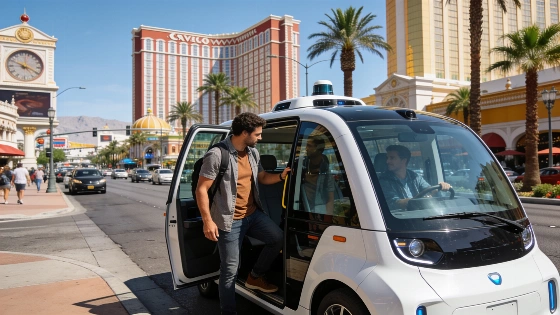
Waymo has started public robotaxi rides in Las Vegas with its latest autonomous vehicles and plans to launch a commercial service in Tokyo by 2027, pending regulatory approval.
Waymo has started offering public robotaxi rides in Las Vegas, bringing its newest self-driving vehicles to city streets and stepping into direct competition with other autonomous operators. The company is also preparing for a major move into Tokyo, aiming to launch Japan’s first fully autonomous commercial taxi service by 2027.
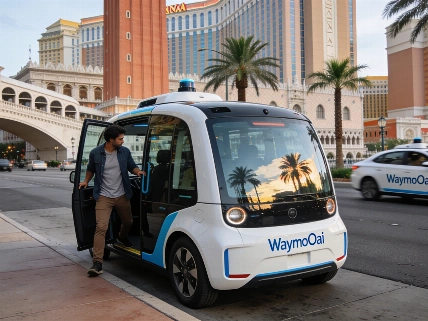
Las Vegas joins California, Texas, Florida, and Arizona as part of Waymo’s growing U.S. network. According to Reuters, this is Waymo’s first time operating in Nevada, with the public service launching on September 14, 2026. The initial Las Vegas fleet includes several dozen vehicles covering about 24 square miles. Early rides are available to people selected from a waitlist. Unlike a limited pilot, this rollout is part of Waymo’s broader expansion across the country. Reuters has more details.
Waymo’s Las Vegas rollout
The Las Vegas launch is a full public service, not just another test. Waymo now competes directly with Zoox, Amazon’s autonomous vehicle unit, which began paid robotaxi rides in the city last month. While Waymo has announced plans for Denver, San Diego, and Tampa, Las Vegas is the first of these new cities to see public operations begin.
For Las Vegas, Waymo’s arrival adds another option for getting around, especially as visitor numbers stay high and the hospitality industry looks for new ways to move people. Waymo currently provides more than 500,000 autonomous trips per week across its U.S. markets. Las Vegas, with its busy Strip and frequent events, is expected to be a key test for the company’s technology.
Tokyo ambitions and regulatory hurdles
Waymo’s plans go beyond the U.S. The company has announced a partnership with GO, a Japanese taxi app, and Nihon Kotsu, a major Tokyo taxi company, to launch what they call Japan’s first fully autonomous commercial taxi service. The goal is to start in 2027 with a small fleet and eventually reach about 100 vehicles. The first public rides in Tokyo are planned for 2027, available through both the GO app and the Waymo app.
But the Tokyo project faces legal obstacles. Japanese law still requires a human in the driver’s seat of autonomous vehicles, even if the technology can handle full self-driving. Waymo and its partners will need new permits and must prove their system’s safety before commercial service can begin. Waymo’s blog notes the company has already completed tens of millions of fully autonomous commercial rides in 15 major U.S. cities, which provides experience as it prepares for Japan. The Tokyo launch will depend on regulatory approval and further testing, as Reuters has reported.
Competition and market impact
Waymo’s push into Las Vegas and Tokyo comes as the global robotaxi market grows more crowded. Zoox is already operating in Las Vegas, while Tesla, Nissan, Wayve, Uber, and Nuro are all working on autonomous vehicle projects in Japan. Nuro, backed by Nvidia and Toyota, has started testing in Tokyo with Uber and Lucid Group, adding more competition to the Japanese market.
For Alphabet Inc., Waymo’s parent company, this expansion is about more than technology. Alphabet shares have risen 11.8% this year, and analysts see another 21.9% upside, according to TipRanks. The company was valued at $126 billion in February after raising $16 billion, showing the financial stakes behind its autonomous vehicle efforts.
What’s next for Las Vegas and Tokyo
Waymo’s Las Vegas fleet is expected to grow as the company collects data and responds to demand. For locals and visitors, autonomous taxis could offer new ways to get around, especially during big events and busy weekends. In Tokyo, the timeline depends on regulatory approval and further testing. If Waymo can clear those hurdles, it could gain a foothold in a market facing taxi driver shortages and an aging workforce.
Waymo’s expansion into Las Vegas and Tokyo is a calculated move to secure a place in the future of city transportation. In Las Vegas, the company is now competing for real riders. In Tokyo, the main challenge is legal, but the potential reward is a first-mover advantage in a complex urban market. The next two years will show whether Waymo can turn its U.S. experience into international success, or if competitors will take the lead in the global robotaxi race.